How to Start a Campfire Safely: Complete Fire-Building Guide
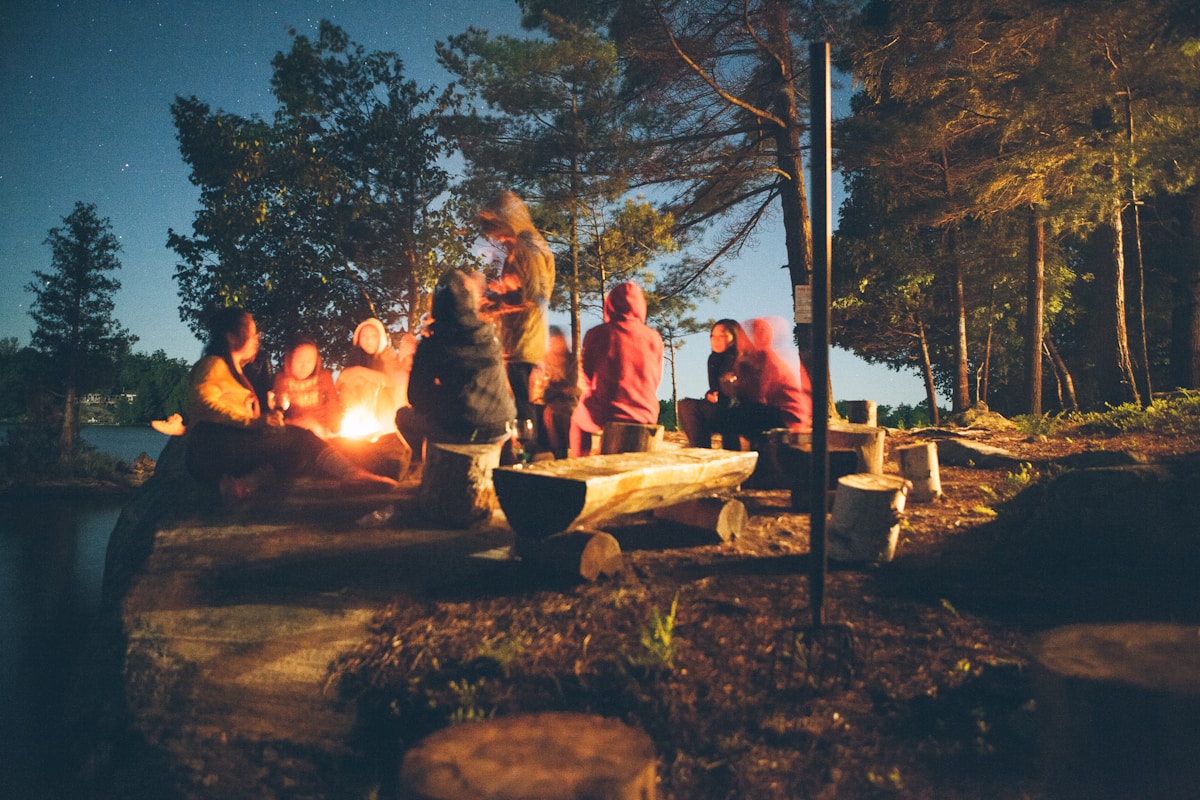
Master the art of building and maintaining a safe campfire. Learn fire safety rules, building techniques, and Leave No Trace principles for responsible camping.
A crackling campfire is the centerpiece of memorable camping experiences—providing warmth, cooking capability, and a gathering place for stories. However, wildfires caused by improperly managed campfires destroy millions of acres annually. This guide teaches you to build, maintain, and extinguish fires safely and responsibly.
Before You Build: Legal and Ethical Considerations
Check Fire Restrictions
Always verify current conditions before your trip:
Call ahead: Contact the land management agency (National Forest, State Park, BLM, etc.) Online resources: Check official websites for fire bans or restrictions Ask locally: Stop at ranger stations for current conditions Burn bans: These can change daily based on weather and fire danger
Never build a fire when bans are in effect—penalties can exceed $10,000 plus firefighting costs.
Fire Danger Ratings
Understanding fire danger helps you make responsible decisions:
- Low (Green): Fires unlikely to spread
- Moderate (Blue): Use caution, monitor fire closely
- High (Yellow): Extra precautions necessary
- Very High (Orange): Consider not building a fire
- Extreme (Red): Fire ban likely in effect
Leave No Trace Principles for Campfires
- Use established fire rings when available
- Keep fires small (no larger than 3 feet diameter)
- Never cut living trees for firewood
- Burn wood completely to white ash
- Extinguish thoroughly before sleeping or leaving
- Scatter cool ashes if no fire ring present
Campfire Basics: The Three Elements
Fire needs three components (the "fire triangle"):
- Heat: Initial ignition source
- Fuel: Combustible material (wood)
- Oxygen: Air circulation
Remove any element, and the fire dies. Understanding this principle is key to both starting and extinguishing fires safely.
Choosing the Perfect Fire Site
Ideal Location Characteristics
Safe distance requirements:
- 15 feet minimum from tents, trees, and brush
- 10 feet from overhanging branches
- Away from dry grass or leaves
- Sheltered from strong winds
Ground surface:
- Mineral soil, gravel, or sand (never on grass, duff, or peat)
- Level area to prevent log rolling
- No tree roots near surface
- Clear of overhead combustibles
Building a Fire Ring
If no established ring exists and fires are permitted:
- Clear area: Remove all flammable materials in a 10-foot diameter circle down to mineral soil
- Dig pit: Create a shallow depression 6-8 inches deep
- Ring stones: Place large rocks in a circle (optional but helpful)
- Keep soil: Save the soil to restore the site later
Important: Some wilderness areas prohibit new fire rings. Always check regulations.
Gathering Firewood: The Right Way
The Three Wood Stages
Successful fires use three wood sizes:
1. Tinder (Pencil-lead to matchstick size)
- Dry pine needles
- Birch bark (from dead trees only)
- Dry grass or leaves
- Wood shavings
- Cotton balls with petroleum jelly (bring from home)
Tinder must be bone dry to catch from a single match or spark.
2. Kindling (Pencil to thumb thickness)
- Small twigs and branches
- Split pieces of larger wood
- Dry bark strips
Kindling transitions from tinder to fuel wood.
3. Fuel Wood (Wrist to forearm thickness)
- Hardwoods (oak, maple, ash) burn longer and hotter
- Softwoods (pine, spruce, fir) ignite easily but burn fast
- Dead and down branches only
The Dead and Down Rule
Collect only wood that is:
- Already on the ground (not attached to trees)
- Dead (no green needles, leaves, or bark that won't peel)
- Dry (snaps cleanly when broken)
- Appropriate size (collect more than you think you need)
Never cut living trees or break branches from standing trees, dead or alive.
How Much Wood?
For a 2-hour fire:
- 2-3 handfuls of tinder
- 1-2 armloads of kindling
- 3-4 armloads of fuel wood
Pro tip: Gather all wood before starting your fire. Once lit, you need to tend it constantly.
Fire-Building Techniques
Method 1: The Teepee (Easiest for Beginners)
Best for: Quick, hot fires; cooking
Steps:
- Place tinder bundle in fire ring center
- Arrange kindling around tinder in teepee shape
- Leave opening on downwind side for lighting
- Light tinder from upwind side
- Add progressively larger kindling as fire grows
- Add fuel wood, maintaining teepee structure
Advantages: Easy to light, burns hot quickly Disadvantages: Collapses as it burns
Method 2: The Log Cabin
Best for: Long-lasting fires; social campfires
Steps:
- Place two fuel logs parallel in fire ring
- Add two perpendicular logs on top
- Continue stacking in square pattern (4-5 layers)
- Fill center with teepee of tinder and kindling
- Light center tinder
Advantages: Burns steadily, self-feeding as logs collapse Disadvantages: Takes longer to ignite
Method 3: The Lean-To
Best for: Windy conditions; quick cooking fires
Steps:
- Place one large log on windward side
- Lean kindling against log
- Place tinder under kindling lean-to
- Add fuel wood as fire establishes
Advantages: Wind-resistant, focused heat Disadvantages: Less social (fire on one side only)
Method 4: The Platform (Advanced)
Best for: Wet conditions
Steps:
- Lay platform of green logs or rocks
- Build fire on platform (elevated from wet ground)
- Use teepee method on platform
Advantages: Works in damp conditions Disadvantages: Requires more materials
Lighting Your Fire
Ignition Sources
Matches:
- Bring waterproof matches or regular matches in waterproof container
- Strike-anywhere matches are most versatile
- Have at least 3 matches per person per day
Lighters:
- More reliable than matches in wind
- Keep in warm pocket (cold affects fuel pressure)
- Bring 2-3 as backups
Ferrocerium rod (fire steel):
- Works when wet
- Nearly unlimited uses
- Requires practice
For reliable fire-starting in any condition, check our essential safety gear reviews.
The Lighting Process
- Position yourself: Kneel or sit upwind
- Shield flame: Cup hands around match/lighter
- Ignite tinder: Light bottom/center of tinder bundle
- Blow gently: Provide oxygen without blowing out flame
- Add kindling gradually: Don't smother with too much too fast
- Build heat: Let each stage catch before adding larger wood
Patience is key—rushing causes more failed fire attempts than any other factor.
Maintaining Your Fire Safely
Active Fire Management
Once burning:
Monitor constantly: Never leave unattended Control size: Keep flames below 3 feet high Add wood conservatively: Better to add more than fight a too-large fire Keep water nearby: Bucket or water bottles for emergencies Create defensible space: Maintain clear 10-foot perimeter Watch for embers: Wind can carry sparks 100+ yards
Fire Safety Tools
Essential items:
- Water: At least 1 gallon per fire
- Shovel: For controlling fire and extinguishing
- Bucket: For water hauling
- Leather gloves: For moving hot rocks or adjusting logs
- Fire poker: Long stick for rearranging logs
The Coleman camp kitchen includes storage for fire safety tools in organized fashion.
Common Fire Hazards to Avoid
❌ Never burn:
- Treated wood (pallets, painted wood)
- Plastic or trash
- Aluminum cans or foil
- Food packages
- Excess paper (causes floating embers)
❌ Never use:
- Gasoline or other accelerants
- Aerosol cans near fire
- Green/wet wood (causes excessive smoke)
Cooking on Your Campfire
When Fire Is Ready for Cooking
Wait until you have:
- Strong bed of hot coals (glowing red/orange)
- Minimal flames
- Even heat distribution
Flames = too hot and uneven Coals = consistent cooking temperature
Campfire Cooking Safety
- Use long-handled tools: Prevents burns
- Keep pot holders dry: Wet cloth conducts heat
- Stable cooking surface: Level grate or rocks
- Never leave cooking unattended: Food + fire = hazard
For reliable camp cooking, consider a dedicated camp stove as an alternative to open fires.
Extinguishing Your Fire Completely
This is the most important section—most wildfires result from incompletely extinguished campfires.
The Drowning Method (Most Effective)
- Start early: Begin extinguishing 20-30 minutes before leaving
- Pour water: Completely douse flames and coals
- Stir thoroughly: Mix water and ashes with stick
- Pour again: Add more water
- Stir again: Repeat until saturation
- Check temperature: Touch all ashes/rocks—should feel cool
- Add more water: If any warmth detected
Rule: If it's too hot to touch, it's too hot to leave.
When Water Isn't Available
- Spread coals: Thin layer cools faster
- Add dirt: Mix soil thoroughly with embers
- Continue stirring: Break apart all material
- Check heat: Feel entire area with bare hand
- Add more dirt: If any warmth remains
The Hand Test
Final safety check:
- Hold your hand 1 inch above ashes for 10 seconds
- If you feel ANY warmth, continue extinguishing process
- Repeat until completely cold
Emergency Procedures
If Fire Escapes Control
- Alert others immediately: Yell "FIRE!"
- Call 911: Don't try to fight it alone
- Evacuate area: Move upwind and uphill
- Clear valuables: If time permits, move gear
- Mark location: Help responders find site
Fire in Your Gear
Clothing fire:
- Stop, drop, and roll
- Smother flames with blanket or dirt
- Remove burned clothing carefully
- Cool burn with clean water
- Seek medical attention
Tent/equipment fire:
- Move away immediately
- Don't breathe smoke
- Don't try to save gear if dangerous
- Let it burn out in controlled area
Alternatives to Campfires
Sometimes the most responsible choice is no fire:
Camp stoves:
- Permitted during fire bans
- More efficient for cooking
- Leave no trace
- Check our stove recommendations
Camping lanterns:
- Provide light without fire
- Solar or battery powered
- Weather-proof options available
Candle lanterns:
- Minimal fire risk
- Adequate light for camp
- Enclosed flame
Campfire Ethics and Etiquette
Group Fire Behavior
- Fire tender: Designate one responsible person
- Teach children: Establish safe zones around fire
- Respect quiet hours: Extinguish when required
- Control noise: Keep celebrations reasonable
- Share space: At popular campsites, consider shared fire rings
Environmental Impact
A single irresponsible fire can:
- Scar landscape for decades
- Kill beneficial soil organisms
- Destroy archaeological sites
- Spark catastrophic wildfires
Choose whether to build a fire based on:
- Fire danger level
- Available wood (don't denude area)
- Your skill level
- Local regulations
When in doubt, go without—use a camp stove instead.
Regional Fire Considerations
Desert Camping
- Limited wood availability—bring charcoal if permitted
- Extreme fire danger in dry seasons
- Fire scars highly visible for years
- Consider cookstove instead
Mountain/Alpine Camping
- Wood scarce at high elevation—don't deplete
- Fire bans common above treeline
- Longer to fully extinguish (thinner air)
- Lower ignition temperature (dry air)
Coastal Camping
- Driftwood may contain salt (corrosive smoke)
- Wind management critical
- Sand provides safe fire base
- Tide considerations for beach fires
Conclusion
Campfire safety isn't complicated, but it requires diligence, preparation, and responsibility. The privilege of building fires in wild places comes with serious obligations to protect those lands for future generations.
Master these skills, respect local regulations, and always prioritize safety over convenience. A properly managed campfire enhances your camping experience; an escaped fire ends it—and possibly the wilderness itself.
Essential Gear for Safe Campfires
Ready to camp responsibly? Review our recommendations for:
- Fire safety tools and equipment
- Camp stoves as fire alternatives
- Emergency and safety gear
- Complete camping checklist
Camp safe, camp smart, and always leave your site better than you found it. Share your campfire safety tips and help keep our wild places wild!